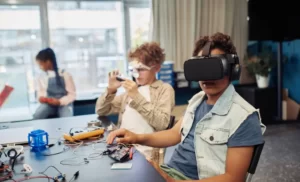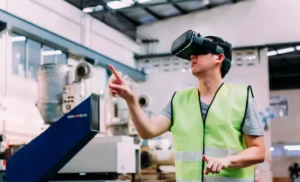
The rapid advancement of technology has ushered in an era where augmented reality (AR) and virtual reality (VR) are no longer the stuff of science fiction but integral parts of our daily lives. These technologies are transforming how we interact with the world, offering new ways to experience and engage with our surroundings. From entertainment and education to healthcare and retail, AR and VR are revolutionizing multiple sectors. In this blog, we’ll explore how these technologies are reshaping our world.
The Basics: Understanding AR and VR
Augmented Reality (AR) overlays digital information on the real world. Think of smartphone apps that let you see virtual furniture in your living room or catch digital creatures in your neighborhood. AR enhances our perception of reality by adding layers of information that can be interacted with in real time.
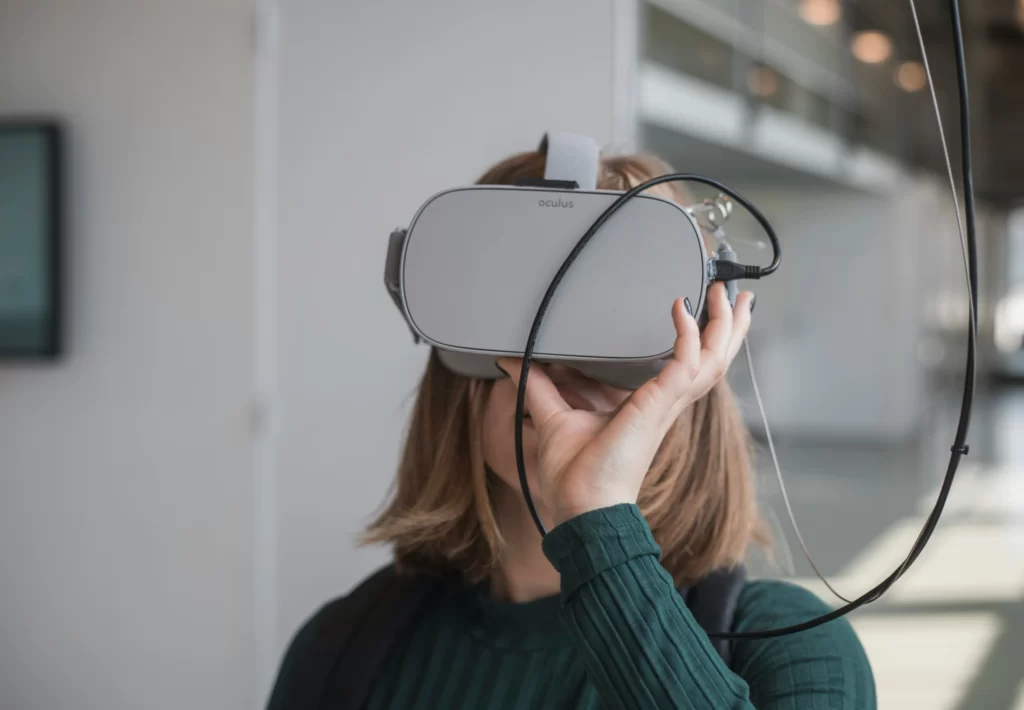
Virtual Reality (VR), on the other hand, creates a completely immersive digital environment. Using VR headsets, users are transported to a virtual world where they can interact with surroundings that feel real. This technology is widely used in gaming, but its applications are rapidly expanding into other fields.
Transforming Entertainment and Media
One of the most significant impacts of AR and VR has been in the entertainment industry. VR gaming offers players a highly immersive experience, placing them directly in the game world. Popular VR platforms like Oculus Rift, PlayStation VR, and HTC Vive have set new standards for interactive gaming.
In cinema, VR allows viewers to step into the scenes of a movie, providing a 360-degree viewing experience. This level of immersion is unparalleled and offers new storytelling possibilities. AR, too, is making waves in entertainment, with applications like Pokémon GO demonstrating the potential for blending digital and physical worlds.
Revolutionizing Education
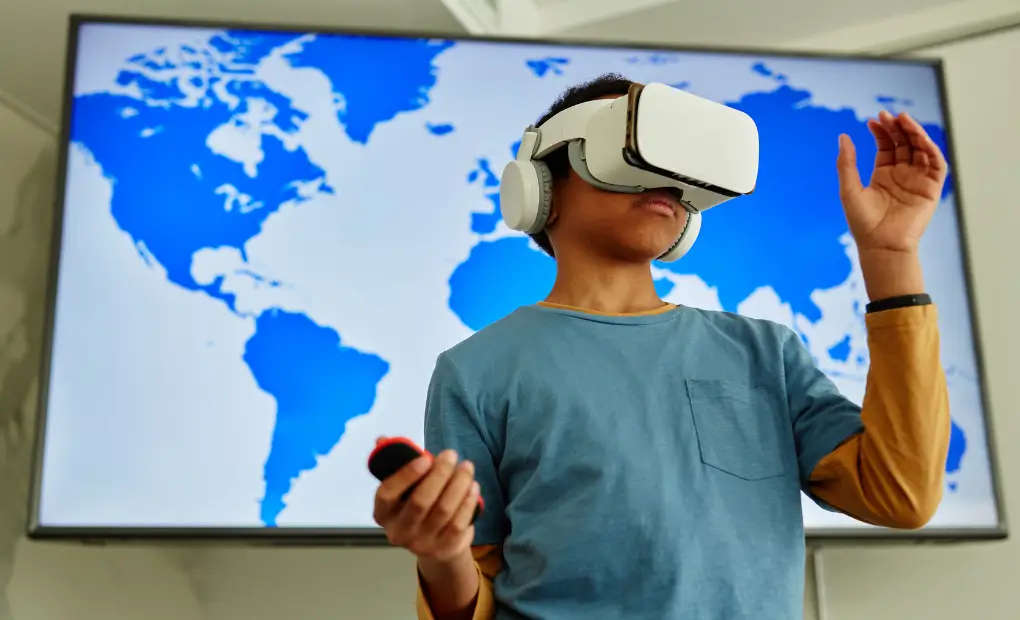
AR and VR are transforming education by making learning more interactive and engaging. With AR, students can visualize complex concepts, such as the human anatomy or historical landmarks, by overlaying digital information on physical objects. This makes abstract ideas more tangible and easier to understand.
VR takes this a step further by allowing students to experience scenarios that would be impossible or impractical in real life. For example, history students can take virtual tours of ancient civilizations, and medical students can perform virtual surgeries. This hands-on approach to learning enhances retention and comprehension.
Enhancing Healthcare
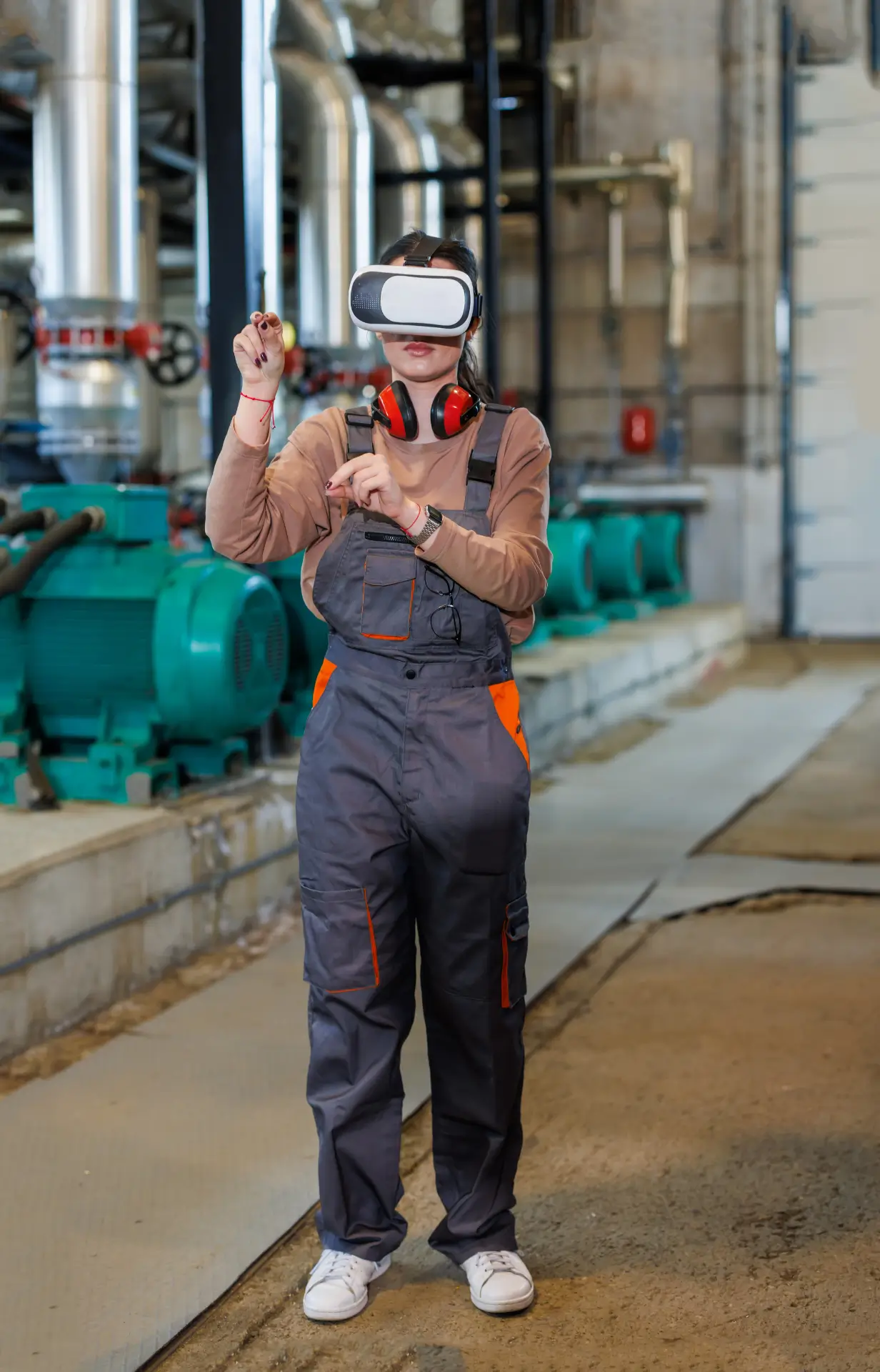
In healthcare, AR and VR are improving patient outcomes and training for medical professionals. Surgeons can use AR to overlay vital information during procedures, such as real-time data and 3D models of organs, enhancing precision and safety. AR can also assist in diagnostics by providing a clearer view of medical images.
VR is being used for patient therapy, such as pain management and rehabilitation. Patients can engage in virtual environments that help distract from pain or motivate them during physical therapy. Additionally, VR simulations provide medical professionals with realistic training scenarios, improving their skills and preparedness for real-life situations.
Transforming Retail and E-Commerce
Retail and e-commerce are leveraging AR and VR to create unique shopping experiences. AR apps allow customers to try on clothes, accessories, or makeup virtually before making a purchase. This not only enhances customer satisfaction but also reduces the rate of returns.
VR enables virtual shopping experiences where customers can browse virtual stores from the comfort of their homes. This technology provides a new level of convenience and personalization, allowing retailers to offer tailored shopping experiences based on customer preferences.
Impacting Real Estate and Architecture
AR and VR are changing how real estate is marketed and how architecture is designed. Potential buyers can take virtual tours of properties, experiencing the space as if they were physically there. This is especially useful for remote buyers or for properties that are still under construction.
Architects and designers use AR and VR to visualize their projects in 3D, making it easier to identify potential issues and make adjustments before construction begins. This not only saves time and money but also enhances creativity and collaboration among team members.
Conclusion
The integration of augmented and virtual reality into various aspects of our lives is just beginning. As technology continues to evolve, the possibilities for AR and VR are virtually limitless. These technologies are not only enhancing existing experiences but also creating entirely new ones, transforming our world in profound ways. Whether through entertainment, education, healthcare, retail, or real estate, AR and VR are paving the way for a future where the boundaries between the physical and digital worlds are increasingly blurred. The transformation is ongoing, and it’s an exciting time to witness and participate in this technological revolution.