
Stellar Realities — Innovating Elegance
AR and VR Technologies
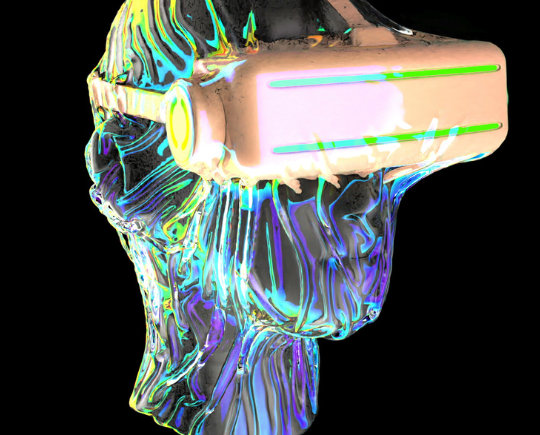
From interactive car showrooms to virtual tours, we bring places and moments to life online using the latest web technologies. Leveraging tools like Three.js, PlayCanvas, Babylon.js, and A-Frame, we create stunning immersive experiences for the web.
We’ve developed a variety of immersive content for microsites and brand campaigns. Here are a few highlights:
Kia Inspiration Lab
Liverpool Football Club Web AR
Rolls Royce Phantom Launch
The world of WebGL is filled with acronyms and complex terms. Below, we’ll demystify some of them for you.
Three.js represents the essence of WebGL coding, akin to developing an app in native code rather than relying on an engine like Unity or Unreal. This approach allows for the creation of the smoothest and most optimized content possible. However, it requires additional time and budget since you’ll be coding nearly the entire experience from scratch. One of our favorite Three.js-based projects is this virtual configurator for Genesis.

PlayCanvas is the Unity of WebGL, offering a comprehensive set of tools for building web-based experiences. It’s excellent for quickly creating and delivering immersive online content. However, it can be somewhat limiting if you’re aiming for highly unique or unconventional projects. Additionally, it tends to carry more ‘baggage’ in terms of file size and loading times compared to native coding with Three.js. Despite these considerations, PlayCanvas remains a strong option. Our Kia Inspiration Lab for the EV6 was built using PlayCanvas.
Babylon.js offers a robust set of tools for creating elegant WebGL experiences. It’s open-source and backed by a dedicated community of artists and developers. Positioned between Three.js and PlayCanvas, Babylon.js combines high optimization and lightweight code with useful tools for crafting diverse experiences. One of our favorite projects using Babylon.js is Nike’s ACG Experience.
A-Frame is a web-based framework designed primarily for building VR experiences. However, it has evolved to support a wide range of applications, including web-based AR experiences and interactive 3D experiences for both mobile and desktop.
AR and VR Technologies
AR and VR Technologies