
The Metaverse is no longer a concept confined to science fiction; it is rapidly becoming a tangible reality thanks to advancements in Augmented Reality (AR) and Virtual Reality (VR). This interconnected digital universe promises to revolutionize how we interact, work, and play, blending the boundaries between the physical and digital worlds.
What is the Metaverse?
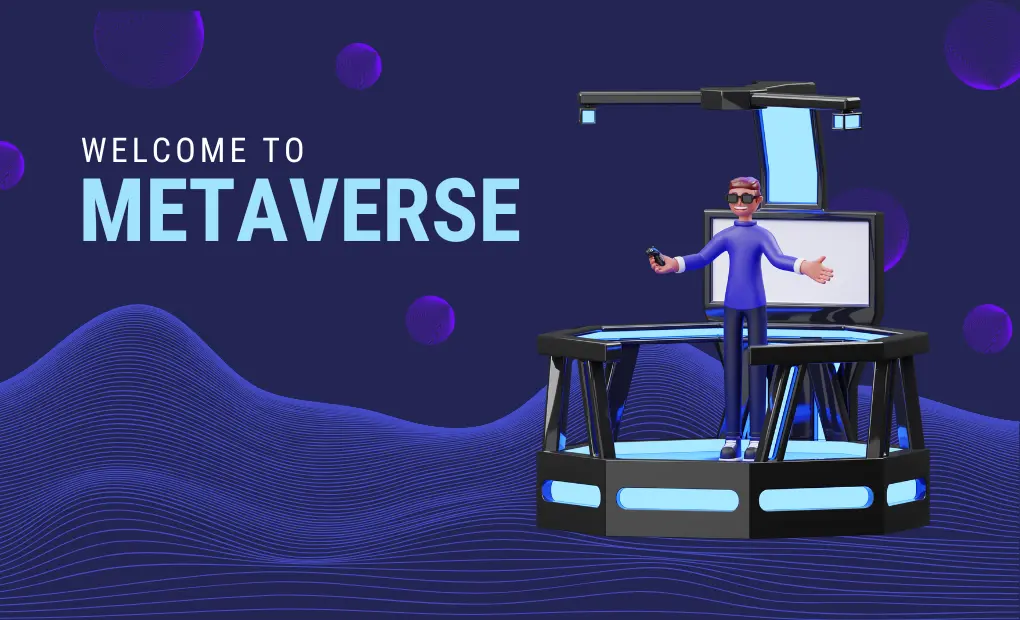
The Metaverse refers to a collective virtual shared space, created by the convergence of virtually enhanced physical reality and physically persistent virtual reality. It encompasses a multitude of digital environments where users can interact with each other and the digital world around them in real-time.
The Role of AR and VR in the Metaverse
Augmented Reality (AR)
AR overlays digital information and images onto the real world, enhancing the user’s perception of their environment. Applications of AR include:
- Education: Interactive learning experiences where students can visualize complex concepts.
- Retail: Virtual try-ons for clothes and accessories.
- Navigation: Enhanced GPS systems that provide real-time directions and information.
Virtual Reality (VR)
VR creates a completely immersive digital environment that replaces the real world. Users can explore and interact with this environment as if they were physically present. VR applications include:
- Gaming: Fully immersive game worlds that offer unprecedented levels of engagement.
- Training: Simulations for professional training in fields like medicine, aviation, and the military.
- Social Interaction: Virtual spaces where people can meet, work, and socialize regardless of geographical boundaries.
Key Technologies Driving the Metaverse
1. High-Performance Computing
Powerful processors and graphics cards are essential for rendering the complex and detailed environments of the Metaverse. Companies like NVIDIA and AMD are at the forefront, developing cutting-edge hardware to support these virtual worlds.
2. 5G Connectivity
The high-speed, low-latency capabilities of 5G networks are crucial for the seamless experience of the Metaverse. With 5G, users can enjoy real-time interactions and high-quality streaming without the lag that can break immersion.
3. AI and Machine Learning
AI and machine learning play a vital role in creating intelligent, responsive environments. These technologies enable more natural interactions with virtual entities and personalized experiences tailored to individual users.
4. Blockchain
Blockchain technology ensures secure, transparent transactions within the Metaverse. It supports the creation and exchange of digital assets, from virtual real estate to in-game items, fostering a robust virtual economy.
Real-World Applications of the Metaverse
1. Business and Work
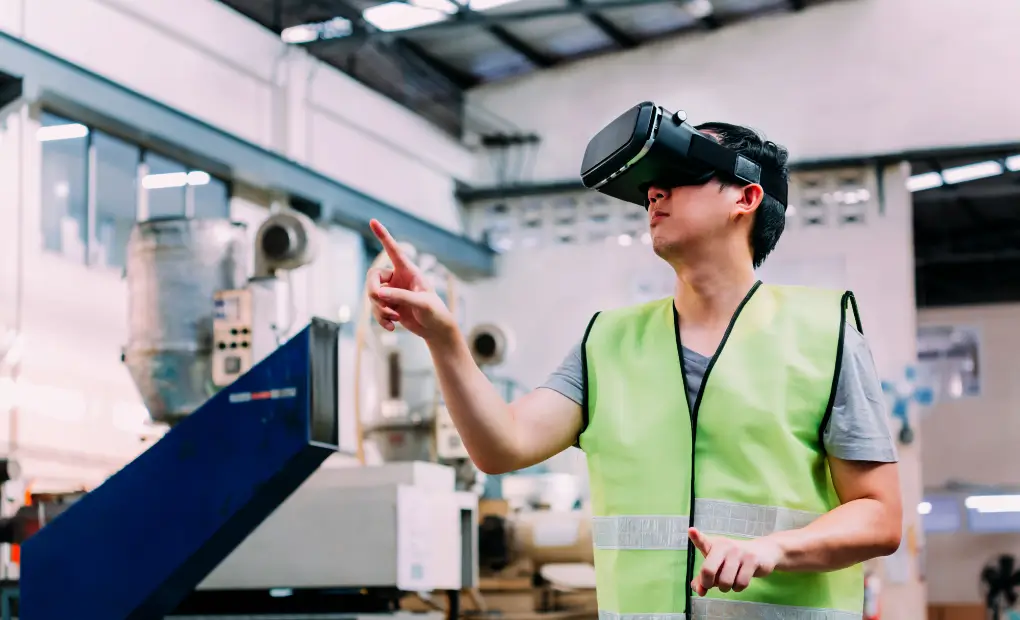
The Metaverse is transforming the way we work, offering virtual offices and meeting spaces where employees can collaborate as if they were in the same room. Companies like Meta (formerly Facebook) and Microsoft are pioneering virtual workspace solutions, making remote work more interactive and engaging.
2. Entertainment and Socializing
Virtual concerts, sports events, and social gatherings are becoming increasingly popular. Platforms like VRChat and Fortnite are not just games but social hubs where people can connect and share experiences.
3. Healthcare
The Metaverse is making significant strides in healthcare, from virtual consultations and therapy sessions to sophisticated training simulations for medical professionals. This technology has the potential to make healthcare more accessible and efficient.
4. Education
Virtual classrooms and training simulations offer immersive learning experiences that go beyond traditional methods. Students can explore historical events, conduct virtual lab experiments, and engage in interactive lessons that make learning more engaging and effective.
Challenges and Ethical Considerations
While the Metaverse offers immense potential, it also poses challenges and ethical questions. Privacy concerns, data security, and the digital divide are critical issues that need to be addressed. Additionally, ensuring that the Metaverse is accessible and inclusive for all users is paramount to its success.
Conclusion
The Metaverse, powered by AR and VR, is set to redefine the boundaries of reality, offering endless possibilities for innovation and interaction. As we stand on the brink of this new digital frontier, the convergence of these technologies promises to create a more interconnected and immersive world, transforming how we live, work, and play.
Embracing the Metaverse means stepping into a realm of infinite potential, where the only limit is our imagination.